Seasonal Reading Challenge: 12 Books for a Cosy Winter
October 08, 2026 - Reading Lists

October 08, 2026 - Reading Lists

October 07, 2026 - Book Clubs
October 06, 2026 - Literary News
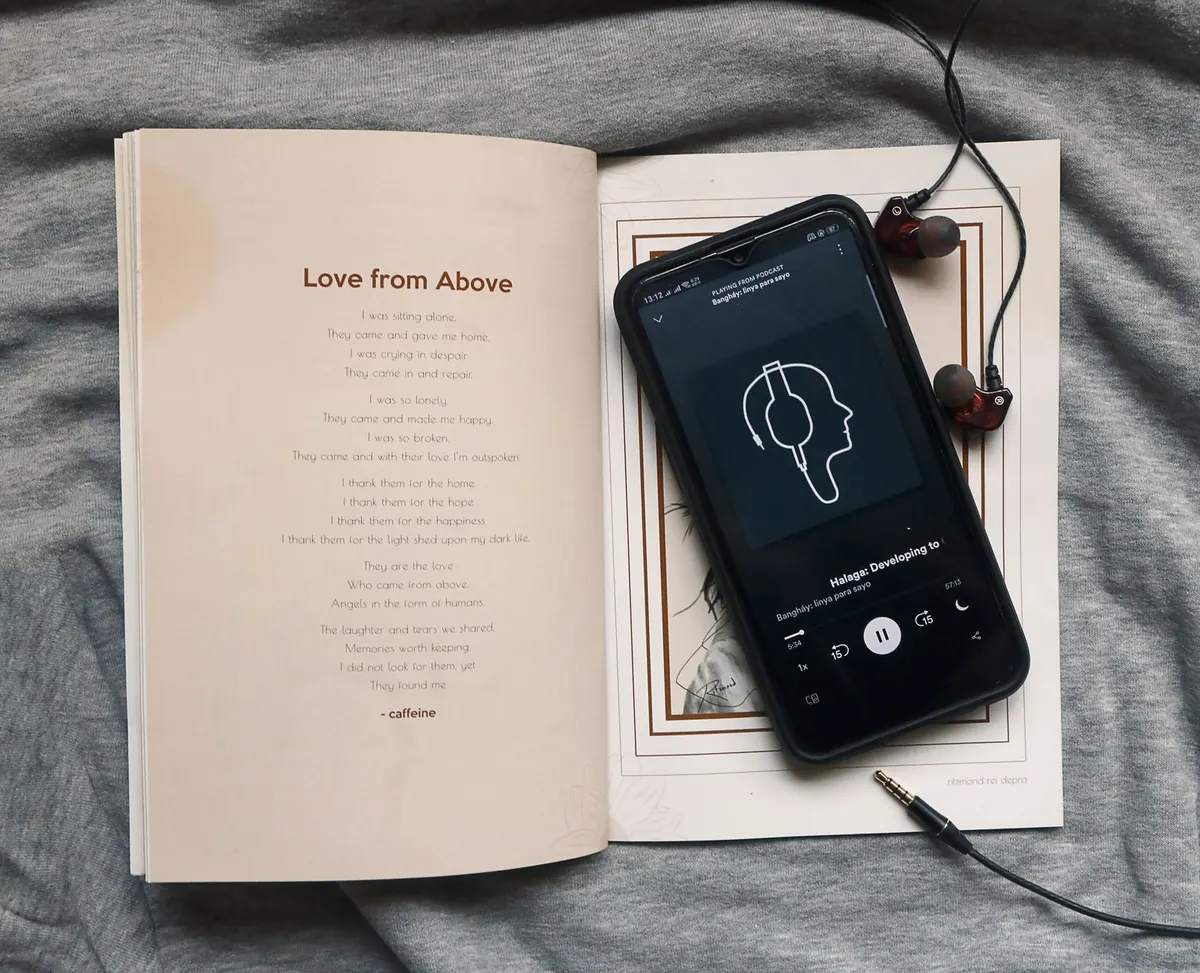
There's a novel on your bedside table with a bookmark wedged at page forty. There's also an audiobook sitting half-finished in your phone. Neither is a failure of discipline. They are simply different tools, and the choice between them comes down to four practical things: format, focus, cost and convenience. Here's how the two stack up, and how to work out which one suits the reading you actually do.
A printed book is a fixed object. The words sit still, the pages have numbers, and your progress is visible from across the room. You can lend it, resell it, spill tea on it and keep it for thirty years. Nothing needs charging.
An audiobook is a performance as much as a text. A narrator decides where the pauses fall, how a character sounds, how quickly a difficult passage moves. That interpretation is either the best thing about audio or the most irritating, depending on the book and the reader. You also lose the ability to see the shape of a sentence laid out on the page, which matters more than people expect when the prose is dense.
A 300-page novel takes most people somewhere around six or seven hours of steady reading. The audio version often runs to nine or ten hours at normal speed. Speed controls close that gap — 1.25x is comfortable for many listeners, and 1.5x suits thrillers and straightforward non-fiction — but you cannot skim audio. You cannot jump to the paragraph that answers your question. In print, skimming is free.
Print has one quiet advantage: you remember where things are. A passage sits two-thirds down a left-hand page, just after a chapter break. That spatial anchor helps you find it again, which is why reference books stay in print and why annotating a paper copy still feels natural.
Audio works best when your eyes and hands are busy but your mind isn't. Walking, driving, washing up, gardening, ironing — narration fills thinking time that would otherwise go to a podcast or the radio. It is particularly good for narrative: fiction, memoir, history told as story, and non-fiction read by the author.
Where audio struggles: diagrams, tables, footnotes, code, mathematical arguments, and anything you will want to quote or check later. If a book has an index, that is a strong sign it belongs on a shelf.
New hardbacks are the most expensive way to read. Paperbacks cost less, and second-hand copies cost very little. Charity shops, library sales and book-swap shelves keep reading cheap, and a physical book can be resold, lent out or passed to a friend. Buy once, own it indefinitely.
Audiobooks look pricier per title but work differently. A monthly subscription with credits often brings the cost per book below that of a new hardback, and library apps lend audiobooks free to members — worth checking before you commit to a subscription that quietly renews. Read the terms about what happens to your library if you cancel, as access rules vary between services and regions.
One habit worth keeping: borrow first, buy later. If you finish a library audiobook and immediately want to own it, you have found something good.
Ask where you will actually be reading. That single question usually settles the format.
Nobody has to pick a side. The readers who get through the most books tend to use both: audio for the hours spent moving, print for the hours spent sitting still. Take the next title on your list, decide which format genuinely fits it, and start. If the format feels wrong after a chapter, switch. That is not quitting; it is just choosing better.
Photo: Reimond Mar Depra / Pexels
A three-month reading challenge with twelve winter-themed books for December, January and February, plus practical...
Five habits that quietly ruin book club evenings, from turning up without finishing the book to talking over...
October 08, 2026 - Reading Lists
October 07, 2026 - Book Clubs
October 06, 2026 - Literary News
Copyright © 2026 Spine Trove. All Right Reserved.