Seasonal Reading Challenge: 12 Books for a Cosy Winter
October 08, 2026 - Reading Lists

October 08, 2026 - Reading Lists

October 07, 2026 - Book Clubs

October 06, 2026 - Literary News

Autumn reading has its own texture. The evenings draw in, the lamp goes on earlier, and a novel that felt too slow in July suddenly seems like exactly the right thing to be doing. Every book on this list is contemporary British fiction, published within roughly the last twenty years, and each one suits the season in a slightly different way. Some are warm and consoling; two or three are deliberately bracing. There is no trick to it, only the reliable pleasure of matching the right book to the right evening.
It is rarely about the cover, and never simply about whether a book is gentle. The novels that work best at this time of year tend to share a few qualities: a strong sense of place, a slow build, and an interest in what people are thinking when nobody else is watching. Weather helps. So does a structure that rewards steady evening reading rather than a single greedy gulp on a beach.
Before you choose, decide what mood you are actually after. Three options rarely let you down:
The ten below run roughly from the quiet end to the wide one, though several of them straddle more than one mood.
If you would rather not choose by mood alone, pick by the time you actually have:
Buying ten books is easy; reading them between October and December takes a little planning, especially once the evenings fill up with other things.
Keep the current book where you sit, not on a shelf across the room. A physical book left open on the arm of a chair gets picked up; one filed away neatly does not. Choose a fixed slot, even a short one, and protect it: twenty minutes after dinner, or with the first coffee of the morning. A timer works better than a page target, because a page target turns a good chapter into homework. If you are often too tired for a dense novel, keep a second, shorter book going alongside it. And put your phone in another room. Even a small barrier is surprisingly effective.
When you finish a book, write two or three lines about it in a notebook or on your phone. What you liked, what you did not, who you would pass it to. Details fade fast, and a short record makes recommendations to friends much easier later on. Equally, give yourself permission to stop. Fifty pages is a fair trial; if a novel has not given you a reason to continue by then, put it down and start the next one. If cost is a concern, most of these titles will be in your local library, and reservation arrangements vary by council, so it is worth checking what your branch offers.
Autumn is short, and there is no prize for getting through the list. Pick one that sounds like the evening you want, read it slowly, and let the dark afternoons do the rest.
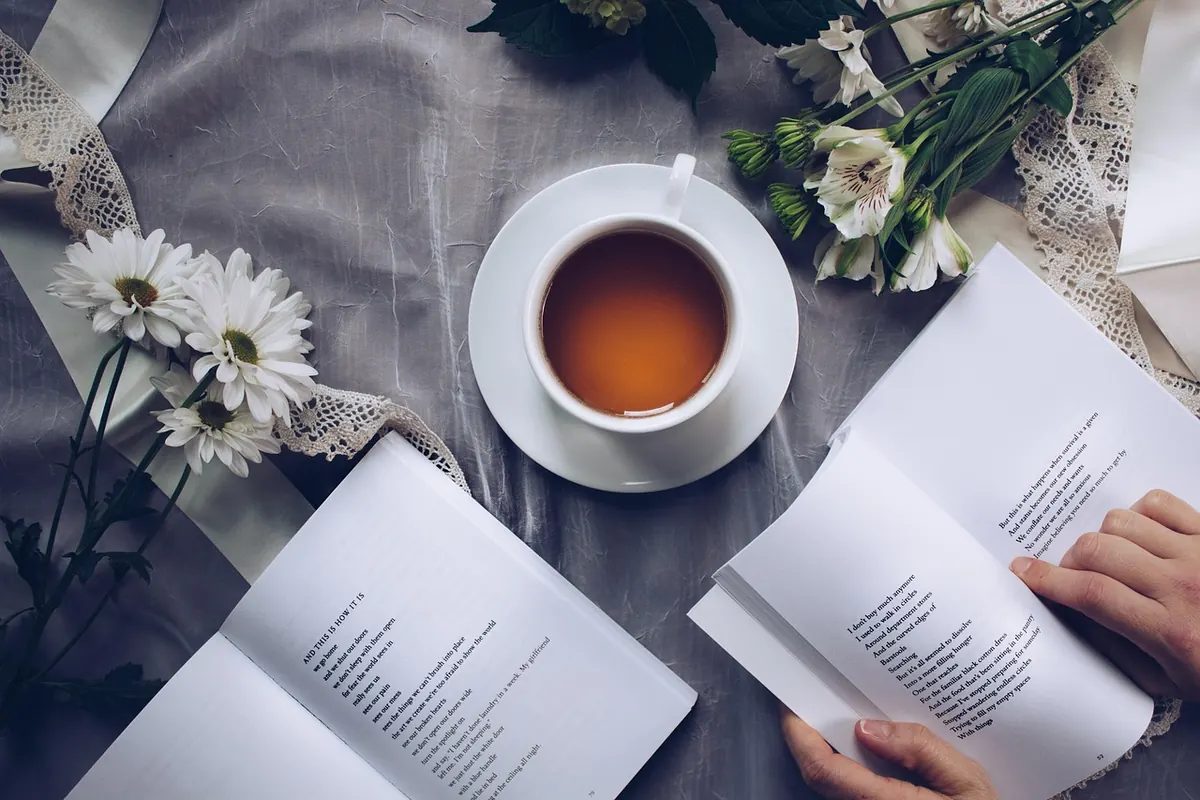
Photo: sakibmia2 / Pixabay
A three-month reading challenge with twelve winter-themed books for December, January and February, plus practical...
Five habits that quietly ruin book club evenings, from turning up without finishing the book to talking over...
October 08, 2026 - Reading Lists
October 07, 2026 - Book Clubs
October 06, 2026 - Literary News
Copyright © 2026 Spine Trove. All Right Reserved.